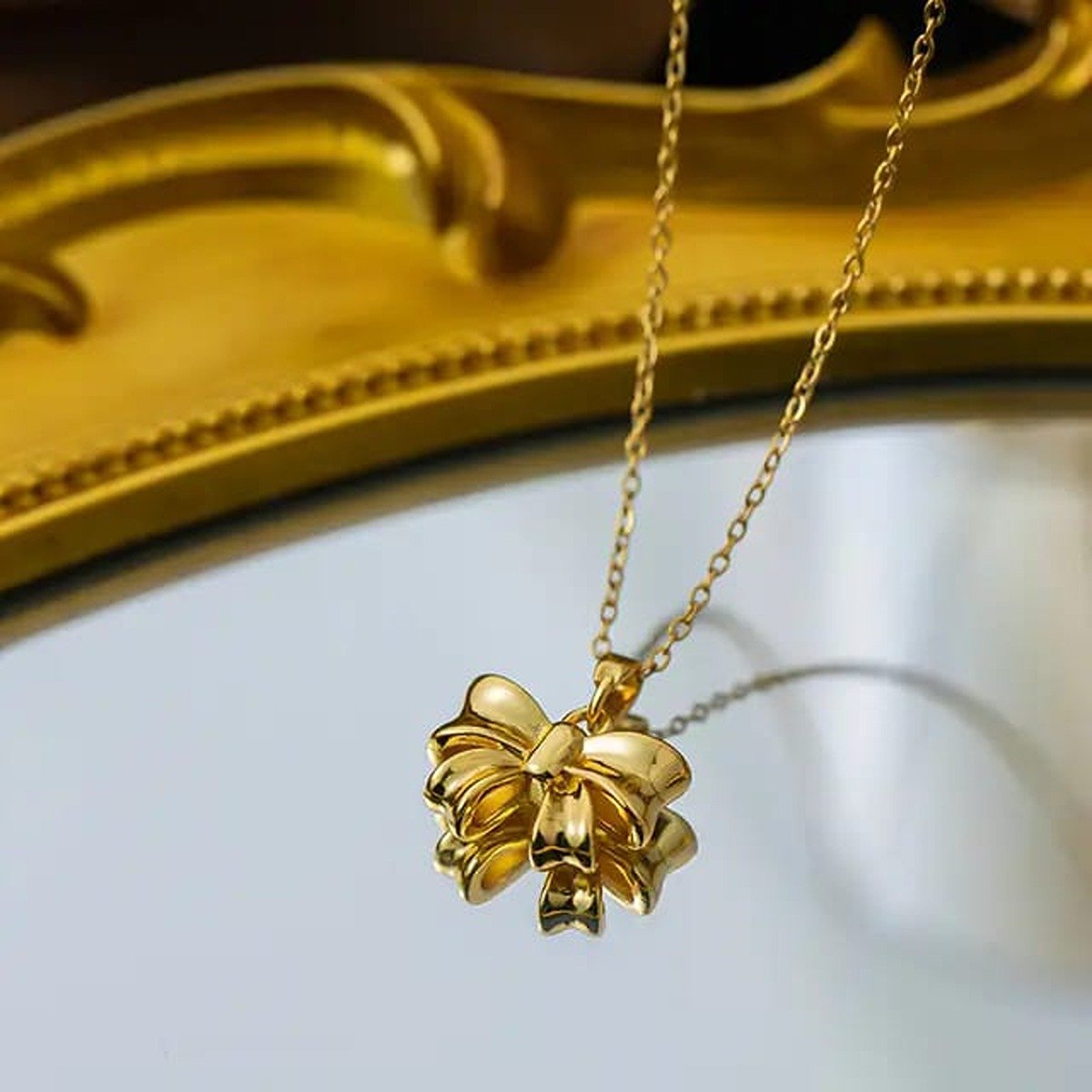
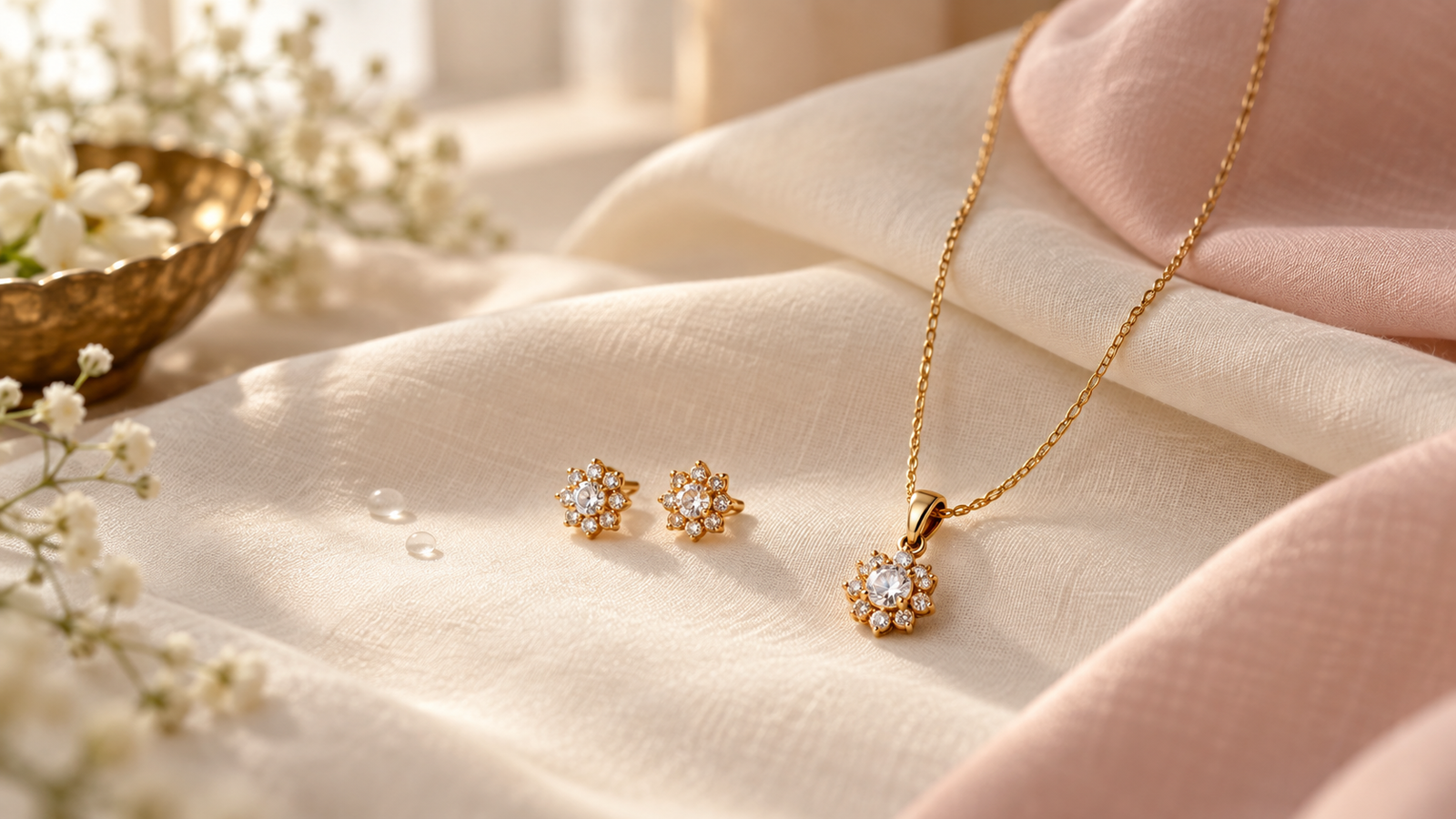
If you have sensitive skin, jewellery shopping raises two separate worries: will it tarnish, and will it irritate your skin? These are different questions, and knowing the difference matters when choosing anti-tarnish jewellery for sensitive skin.
Direct Answer: Is Anti-Tarnish Jewellery Safe for Sensitive Skin?
Anti-tarnish jewellery can suit sensitive skin and daily wear, but this depends on the base metal, plating quality and nickel content, not the anti-tarnish treatment alone. Anti-tarnish coatings mainly prevent discolouration, not skin reactions. Check the base metal and care instructions for each piece, since individual sensitivity varies from person to person.
What Does Anti-Tarnish Jewellery Actually Mean?
Tarnishing happens when metal reacts with air, moisture, sweat or sulphur compounds, causing it to darken or dull — common in India’s warm, humid climate, especially with brass, copper and silver alloys.
Anti-tarnish jewellery carries a protective layer, often rhodium or PVD (physical vapour deposition) coating, that slows this reaction. This doesn’t automatically change how your skin reacts to the metal underneath — tarnish resistance and skin compatibility are separate properties.
Does Anti-Tarnish Mean Hypoallergenic?
Not necessarily. Anti-tarnish describes resistance to discolouration; hypoallergenic describes a lower chance of an allergic reaction, usually linked to nickel-free or skin-friendly alloys. A piece can be anti-tarnish without being hypoallergenic, and vice versa. If skin compatibility is your priority, look for hypoallergenic jewellery with claims confirmed for that specific product.
What Makes Jewellery Better Suited to Sensitive Skin?
A few factors matter together:
- Base metal: Has the biggest influence on skin comfort.
- Nickel content: A common cause of contact dermatitis; lower or nil nickel generally helps, but should be confirmed per product.
- Plating/coating quality: A well-applied, thick coating creates a better barrier; thin or worn plating can expose the base metal and trigger irritation.
- Surface finish: Smooth, well-finished pieces trap less sweat and feel more comfortable.
- Individual sensitivity: Reactions vary from person to person, so that no brand can promise zero reaction for everyone.
Is Gold-Plated Jewellery Suitable for Sensitive Skin?
Gold-plated jewellery for sensitive skin, including 18K gold-plated pieces, can work well. Still, suitability depends on more than the karat number, which describes the purity of the gold layer, not what lies underneath.
A thicker, evenly applied gold layer over a suitable base metal reduces skin contact with the metal below. Thin or uneven plating wears off faster, especially at friction points like earring backs, exposing the base metal. For [INTERNAL LINK: 18K Gold-Plated Jewellery], check the base metal and plating details for that specific design.
Can You Wear Anti-Tarnish Jewellery Every Day?
Many anti-tarnish designs suit daily wear, but there’s no single answer for every product. Sweat, perfume and moisturiser are part of everyday life, and anti-tarnish coatings generally handle this well, though repeated exposure wears a coating down over time.
Showering, swimming and sleeping in jewellery are different, since prolonged water contact affects coatings. Don’t assume any anti-tarnish piece is fully water-safe — follow its specific care instructions instead.
Anti-Tarnish vs Hypoallergenic vs Gold-Plated Jewellery
Anti-tarnish — Means the piece resists discolouration from air, moisture and sweat. It does not guarantee that the piece is hypoallergenic or nickel-free.
Hypoallergenic — Means a lower likelihood of triggering allergic reactions. It does not guarantee zero reaction for everyone, since individual sensitivity varies.
Gold-plated — Means the piece has a gold layer (e.g., 18K) over a base metal. It does not describe the base metal or plating thickness underneath.
Waterproof/water-resistant — Means the piece can handle a defined level of water exposure. It does not mean it’s safe for swimming or long soaking unless specifically stated.
What Should You Check Before Buying Jewellery for Sensitive Skin?
- Base metal used
- Plating or coating type (PVD, rhodium, or untreated)
- Nickel information for that specific product
- Product-specific care and water exposure guidance
- Clear, transparent product descriptions
How to Care for Anti-Tarnish Jewellery During Daily Use
- Wipe with a soft, dry cloth after wearing, especially after sweating
- Apply perfume and lotion before putting on jewellery, not after
- Store separately in a dry pouch, away from direct sunlight
- Remove before heavy sweating or prolonged water exposure, unless the product states otherwise
Choosing Anti-Tarnish Jewellery for Everyday Wear
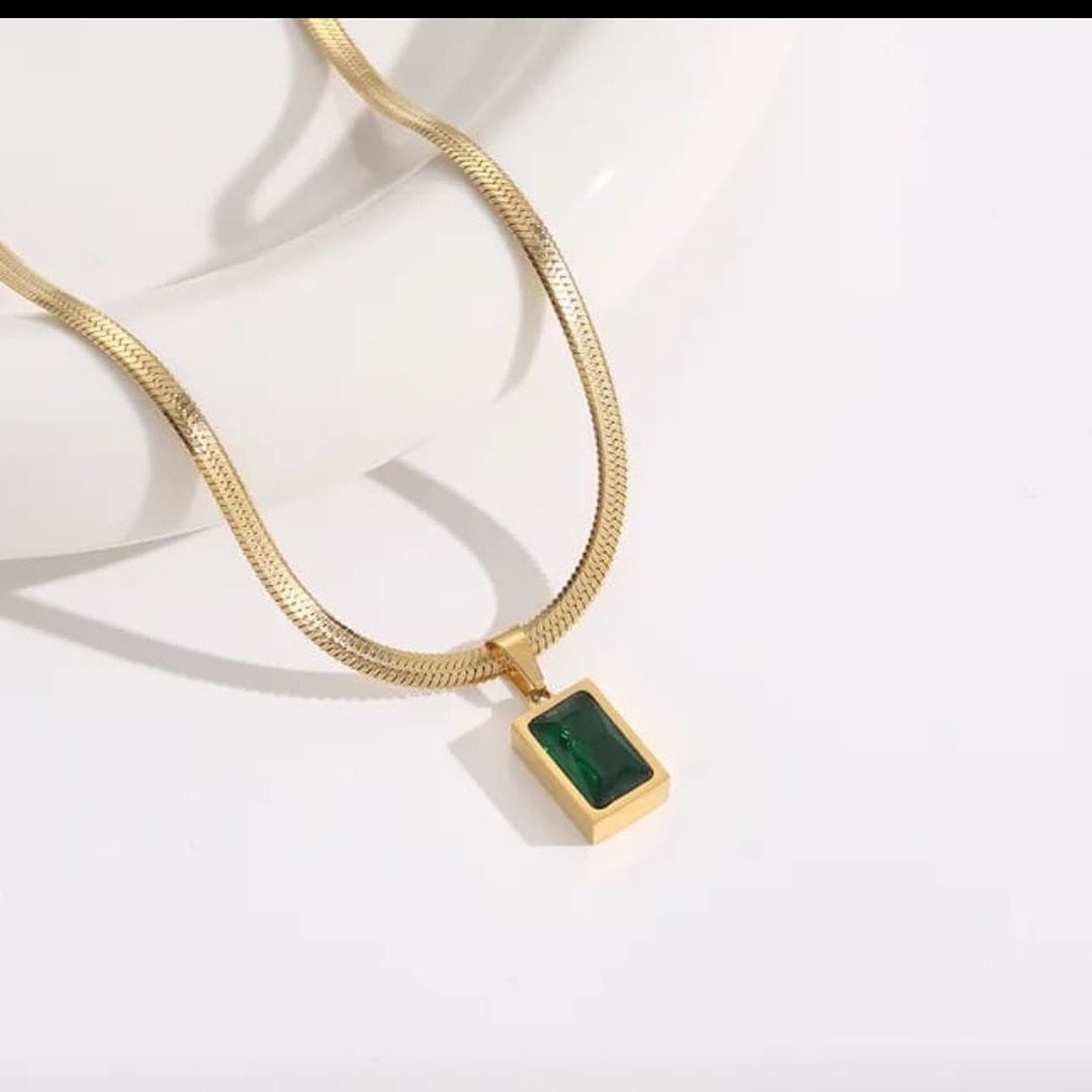
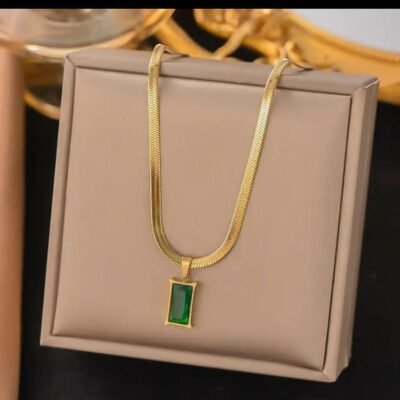
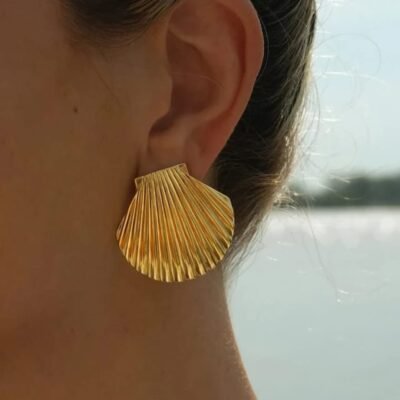
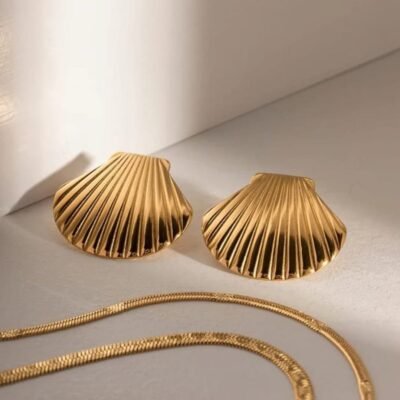
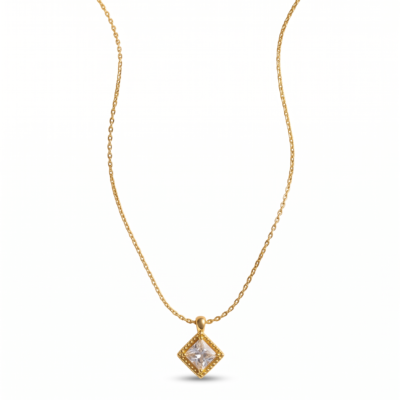
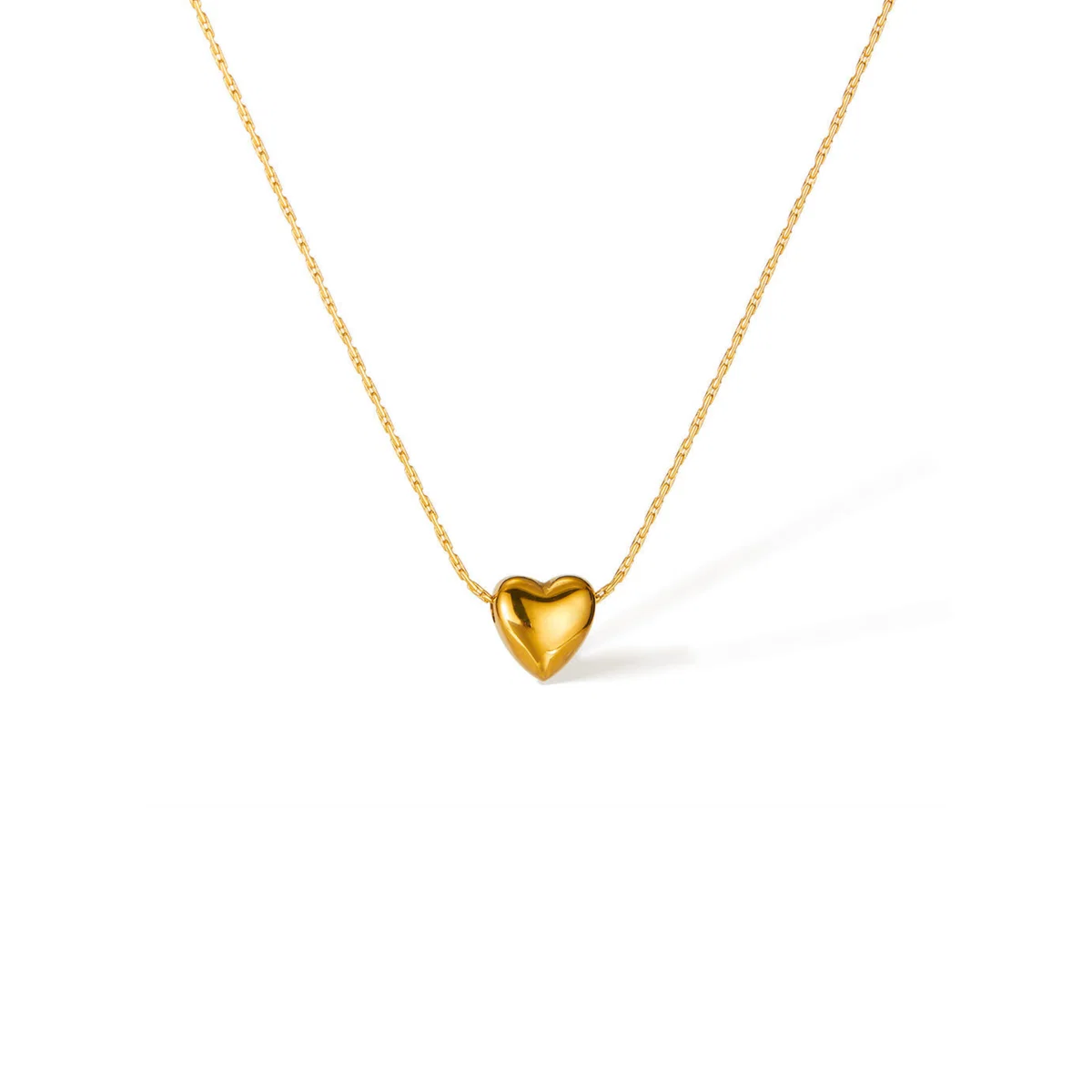
Shopping for jewellery for everyday wear works best with the checklist above, rather than relying on one label to answer every question. At Jewelstox, our Anti-Tarnish Collection is designed with regular wear in mind — check the base metal and care details for the piece you like. Our Earrings Collection and Necklaces Collection are good starting points for everyday essentials.
FREQUENTLY ASKED QUESTIONS
Is anti-tarnish jewellery hypoallergenic?
Not automatically — anti-tarnish resists discolouration, while hypoallergenic relates to lower reaction risk. Check both separately.
Can sensitive skin wear gold-plated jewellery?
Often yes, but it depends on the base metal and plating quality, not the karat alone.
Can I wear anti-tarnish jewellery every day?
Many pieces are designed for daily wear, though durability depends on sweat, perfume and moisture exposure. Follow the care instructions given.
Can I shower with anti-tarnish jewellery?
Depends on the product. Avoid prolonged exposure unless the piece is stated safe for it.
Why does some jewellery irritate sensitive skin?
Usually nickel content, worn or thin plating exposing the base metal, rough finishes, or individual sensitivity.